
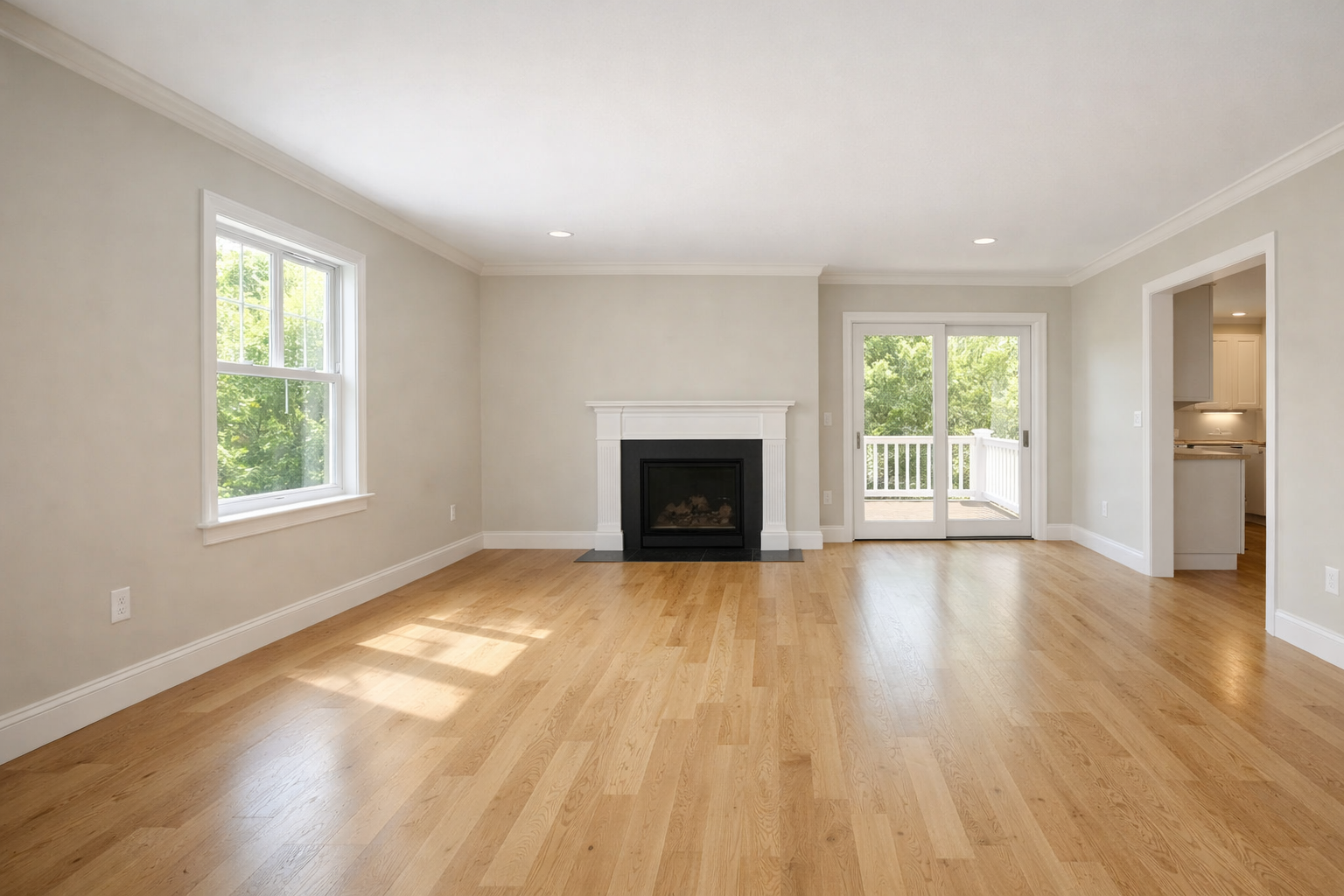
If you’re planning an interior painting project, one of the first questions that comes up is “How long does paint take to dry on a wall?”
The short answer is that most interior wall paint feels dry to the touch within one to two hours, but that does not mean the job is finished. In most cases, you’ll need to wait two to four hours before applying another coat, and anywhere from two to four weeks for the paint to fully cure.
Understanding paint drying time matters more than many homeowners realize. Touching, cleaning, or moving furniture back into a room too soon can leave fingerprints, scuff marks, or permanent damage to the finish. Hanging pictures early or pushing furniture against freshly painted walls can also cause paint to peel or stick, even if the surface feels dry.
Drying time also affects safety and scheduling. Fresh paint releases mild fumes as it dries, and proper ventilation and wait times help keep indoor air comfortable. From a planning standpoint, knowing when a room is ready to use again makes it easier to schedule work, move furniture, or decide whether to paint yourself or hire a professional painter.
Below, we’ll break down paint drying time by paint type, explain the difference between drying and curing, and share practical tips to help paint dry faster without sacrificing quality.
How Long Does Paint Take to Dry on a Wall?
In general, most interior wall paint feels dry to the touch within one to two hours. That means the surface is no longer wet and won’t smear if lightly brushed. However, paint usually needs two to four hours before it’s ready for a second coat. Even then, the paint is still in the early stages of drying.
For everyday use, many rooms can be carefully used again after 24 hours, but the paint has not fully cured at that point. Full cure time, when the paint reaches its maximum hardness and durability, typically takes two to four weeks.
It’s important to remember that paint drying time is not the same for every project. The exact timeline depends on the type of paint, the number of coats, and the conditions in the room, including temperature, humidity, and airflow. These factors can speed up or slow down how quickly paint dries on a wall.
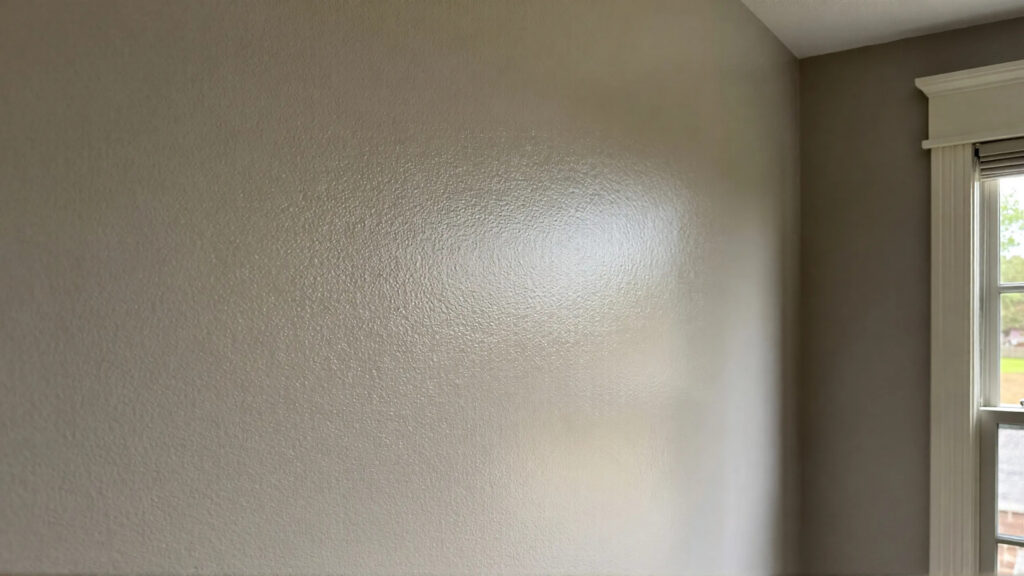
Drying Time vs Curing Time (Important Difference)
| Drying Time: | The amount of time it takes for paint to dry on the surface so it no longer feels wet to the touch. At this stage, the paint may look finished, but it is still soft underneath. |
| Curing Time: | The longer process where paint fully hardens and bonds to the wall. Once cured, the paint becomes durable, resistant to scuffs, and safe for cleaning, furniture placement, and hanging décor. |
Paint Drying Time by Paint Type
Different paints dry at different speeds. One of the biggest factors affecting paint drying time is the type of paint or primer you’re using. Interior wall paints are typically latex or oil-based, and each follows a different drying and curing timeline.
How Long Does Latex (Water-Based) Paint Take to Dry
Latex paint is the most common choice for interior walls, and for good reason. It dries relatively fast, has low odor, and is easy to clean up with water.
In most cases, latex paint will:
• Feel dry to the touch within 1–2 hours
• Be ready for a second coat in 2–4 hours
While latex paint dries quickly on the surface, it still needs time to cure fully. Most latex paints take two to four weeks to reach full hardness and durability. During this time, the paint continues to strengthen even though it may look finished.
Because of its faster drying time and lower fumes, latex paint is ideal for living rooms, bedrooms, hallways, and other frequently used indoor spaces.
How Long Does Oil-Based Paint Take to Dry
Oil-based paint dries much more slowly than latex paint. While it is less commonly used on walls today, it may still appear in older homes or be used on trim, doors, and cabinets.
Oil-based paint typically:
• Feels dry to the touch after 6–8 hours
• Requires 24 hours or more before applying another coat
Oil-based paint also has a stronger smell and requires more ventilation while drying. Full cure time is usually two to three weeks, depending on conditions.
For manufacturer-verified guidance on drying and recoat times, Sherwin-Williams publishes detailed product information for both latex and oil-based paints.
How Long Does Primer Take to Dry on a Wall
Primer prepares the surface for paint and follows its own drying timeline.
Most interior primers:
• Feel dry to the touch within 30 minutes to 1 hour
• Are ready for paint within 1–4 hours, depending on the product
Painting over primer too soon can cause adhesion issues or uneven coverage. Behr provides clear primer and recoat guidance by product type.
How Long Between Coats of Paint Should You Wait?
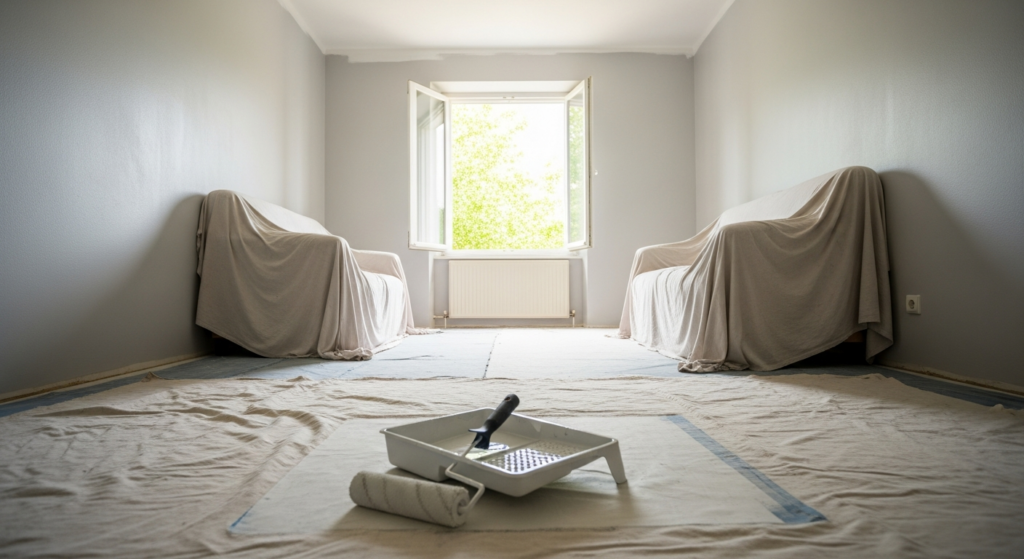
In most interior painting projects, you should wait two to four hours between coats of paint. This allows the first coat to dry enough on the surface so the next coat can bond properly.
Applying a second coat too soon can trap moisture, leading to uneven sheen, roller marks, or peeling as the paint cures. Waiting the proper amount of time between coats also helps ensure consistent color and long-term durability.
Factors That Affect Paint Drying Time
Paint drying time is not just about the clock. The environment inside your home and how the paint is applied can significantly speed up or slow down the process. Even high-quality paint will take longer to dry if conditions are not right.
Understanding these factors helps set realistic expectations and avoid issues that come from rushing the process.
Room Temperature
Temperature plays a major role in how quickly paint dries. Most interior paints are designed to dry best in rooms that are around 65–85 degrees Fahrenheit.
In colder rooms, paint dries much more slowly and may not level properly. Cold temperatures can cause paint to stay tacky longer, making it more likely to collect dust or show roller marks. In extreme cases, paint may not cure correctly at all, leading to long-term durability issues.
Keeping the room comfortably warm during and after painting helps paint dry evenly and consistently.
Humidity Levels
High humidity slows drying because moisture cannot evaporate as easily. This is especially common during rainy weather or in poorly ventilated homes. The U.S. Environmental Protection Agency explains how ventilation and moisture control affect indoor conditions.
Using a dehumidifier or waiting for drier conditions can make a noticeable difference in drying time and overall results.
Airflow and Ventilation
Good airflow helps paint dry by allowing moisture to escape from the surface. Rooms with little air movement tend to hold moisture, which slows the drying process.
Opening windows, running ceiling fans, or using your HVAC system can help keep air circulating. Box fans placed nearby can also help, as long as they are not blowing directly at the wall, which can cause uneven drying or dust buildup.
Steady, gentle airflow is ideal for consistent paint drying.
Paint Thickness and Application
How paint is applied matters just as much as the environment. Thick coats take much longer to dry and are more likely to sag, streak, or cure unevenly.
Applying thin, even coats allows paint to dry more quickly and evenly between layers. Multiple thin coats almost always produce better results than one heavy coat, both in appearance and durability.
Taking the time to apply paint correctly helps avoid delays and leads to a smoother, longer-lasting finish.
3 Essential Tips to Speed Up Paint Drying Time
While paint needs time to dry and cure properly, there are a few safe and practical steps you can take to help the process move along. The key is to improve conditions without rushing the paint or compromising the finish.
Here are three reliable ways to help paint dry faster while still getting professional-looking results.
Increase Air Circulation
Open doors and windows when possible. Use fans to move air gently through the room without blowing directly on painted surfaces.
Control Temperature and Humidity
Keep indoor temperatures stable and use dehumidifiers during damp conditions. Stable conditions during the first 24 hours help paint dry evenly.
Use the Right Paint and Tools
Modern latex paints are designed for faster drying. Quality rollers and brushes apply paint evenly, preventing thick areas that slow drying.
When Is It Safe to Use the Room After Painting?
In most cases, light use of a freshly painted room is safe after about 24 hours. At this point, the paint has dried enough that you can walk through the space, open and close doors, and allow normal airflow without damaging the walls.
However, it’s best to wait longer before placing furniture back against the walls. Even though the paint may feel dry, it is still curing and can be easily marked or scuffed. For larger furniture, beds, or couches, waiting 48 to 72 hours is a safer approach. This reduces the risk of sticking, peeling, or leaving permanent impressions in the paint.
For items that hang on the wall, such as pictures or shelves, it’s best to wait until the paint has had more time to cure. Hanging décor too soon can pull at the surface and damage the finish.
Giving the paint adequate time before fully using the room helps protect the look of the walls and ensures the finish holds up as intended.
DIY Painting vs Hiring Professional Painters
| DIY Painting |
|
| Professional Paintings |
|
Why Absolute Painters Gets Drying Time Right Every Time
We’ve been painting homes and commercial spaces in the Portland area since 1995, and over that time, we’ve learned that great results depend on more than just applying paint.
Proper preparation is the first step. Clean, well-prepped surfaces allow paint to bond correctly and dry evenly. We also choose the right products for each space, factoring in paint type, finish, and how the room will be used so drying and curing happen as expected.
Scheduling is just as important. Our team plans each project around realistic drying and curing times, accounting for local weather conditions, indoor temperature, and humidity. This allows us to move efficiently without rushing coats or putting the finish at risk.
The result is a smooth, durable paint job that looks good on day one and holds up for years to come.
Final Thoughts
Understanding how long paint takes to dry on a wall helps protect your investment and avoid unnecessary frustration. While paint may feel dry within hours, allowing proper drying between coats and full curing time is what ensures long-lasting results.
If you want professional results without the guesswork, the team at Absolute Painters is here to help. When you’re ready to start your next project contact us to schedule a consultation.