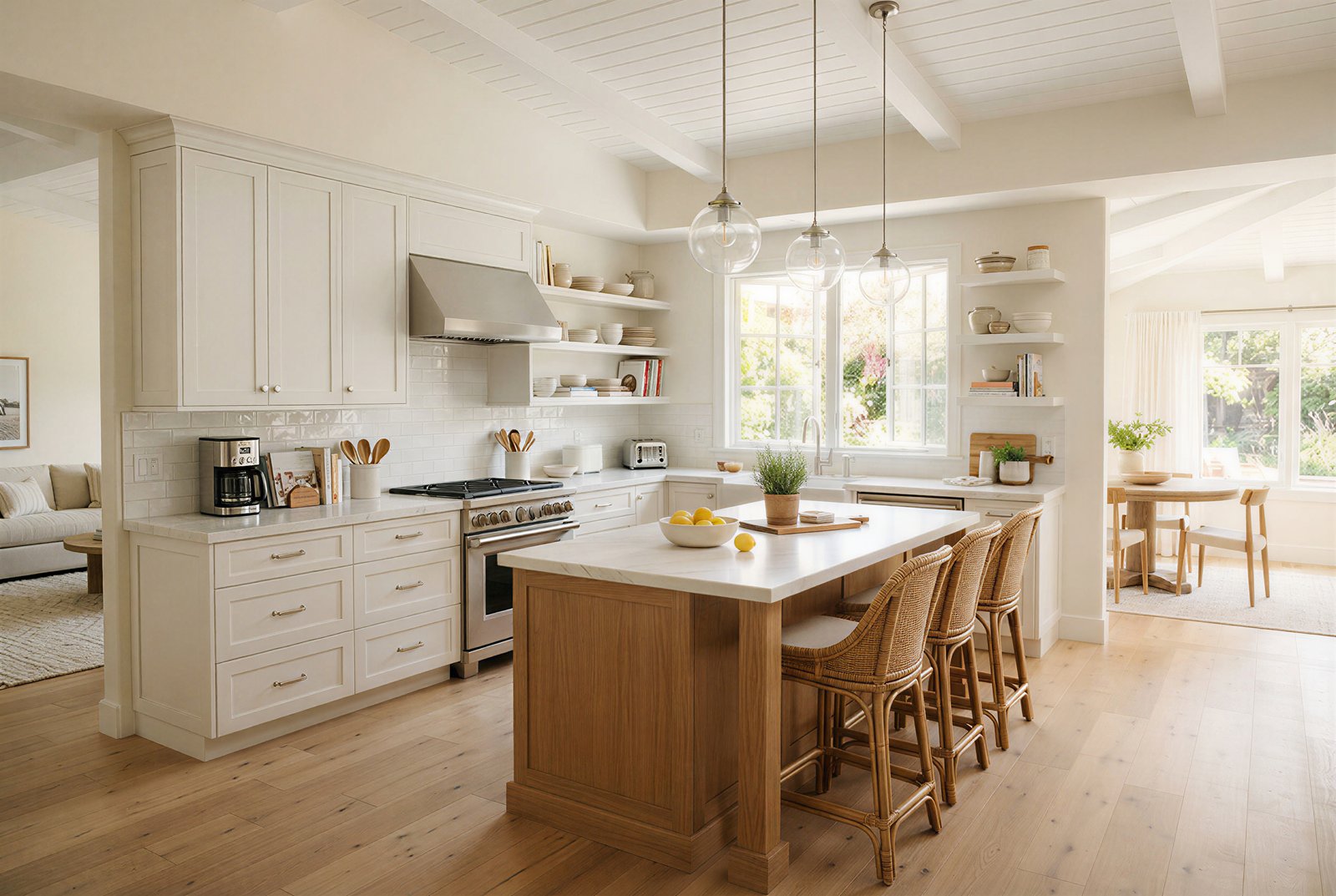
A fresh coat on your cabinets can change the whole feel of your kitchen without the cost or disruption of a full remodel. Kitchen cabinet painting cost varies more than a lot of homeowners expect, and knowing why helps you budget intelligently.
Cabinet size and material, paint type, and labor rates all shape the final number on your estimate. Some of these factors you can control, and others are just what’s already in your kitchen.
This guide walks through average pricing, what drives cabinet painting cost up or down, and how professional work compares to a DIY weekend project. We’ll also cover extra costs many homeowners forget, like repairs and hardware. If you’re weighing your options for interior painting services in your own home, this breakdown gives you the numbers to plan around.
Key Takeaways
- Kitchen cabinet painting cost typically runs $900 to $6,500 or more, depending on size and finish.
- Labor makes up 70% to 85% of the total, so cabinet count matters more than paint price.
- Painting instead of replacing can save thousands while still transforming the kitchen.
- Prep work has the biggest impact on how long the finish lasts.
- A detailed, itemized estimate protects you from surprise costs later.
What Is the Average Kitchen Cabinet Painting Cost?
| Project Size | Typical Cost Range | Best For |
|---|---|---|
| Small Kitchen | $2,000–$4,000 | Condos and compact kitchens |
| Medium Kitchen | $5,000–$7,000 | Average family homes |
| Large Kitchen | $7,000–$8,500 | Open-concept kitchens |
| Custom Cabinet Layout | $8,000–$12,000+ | Luxury or complex projects |
Labor cost is the single biggest factor in your final price, typically accounting for 70% to 85% of the total project. Paint and supplies matter less to your bill than the hours it takes to prep, prime, paint, and finish every surface correctly.
Why Homeowners Choose to Paint Instead of Replace Cabinets
Cabinet replacement means new boxes, new hardware, and often new countertops to match. Painting works with what you already have; that’s why it costs so much less. When comparing cabinet painting vs replacement, cost is usually the deciding factor.
Painting also disrupts your home far less than a replacement. In most cases, your kitchen is functional again in days instead of weeks. Many homeowners researching kitchen cabinet refinishing cost find that painting delivers the biggest visual change per dollar spent, especially when the cabinet boxes are sound and the layout still works for the family.
Factors That Affect Kitchen Cabinet Painting Cost
Cabinet Size and Quantity
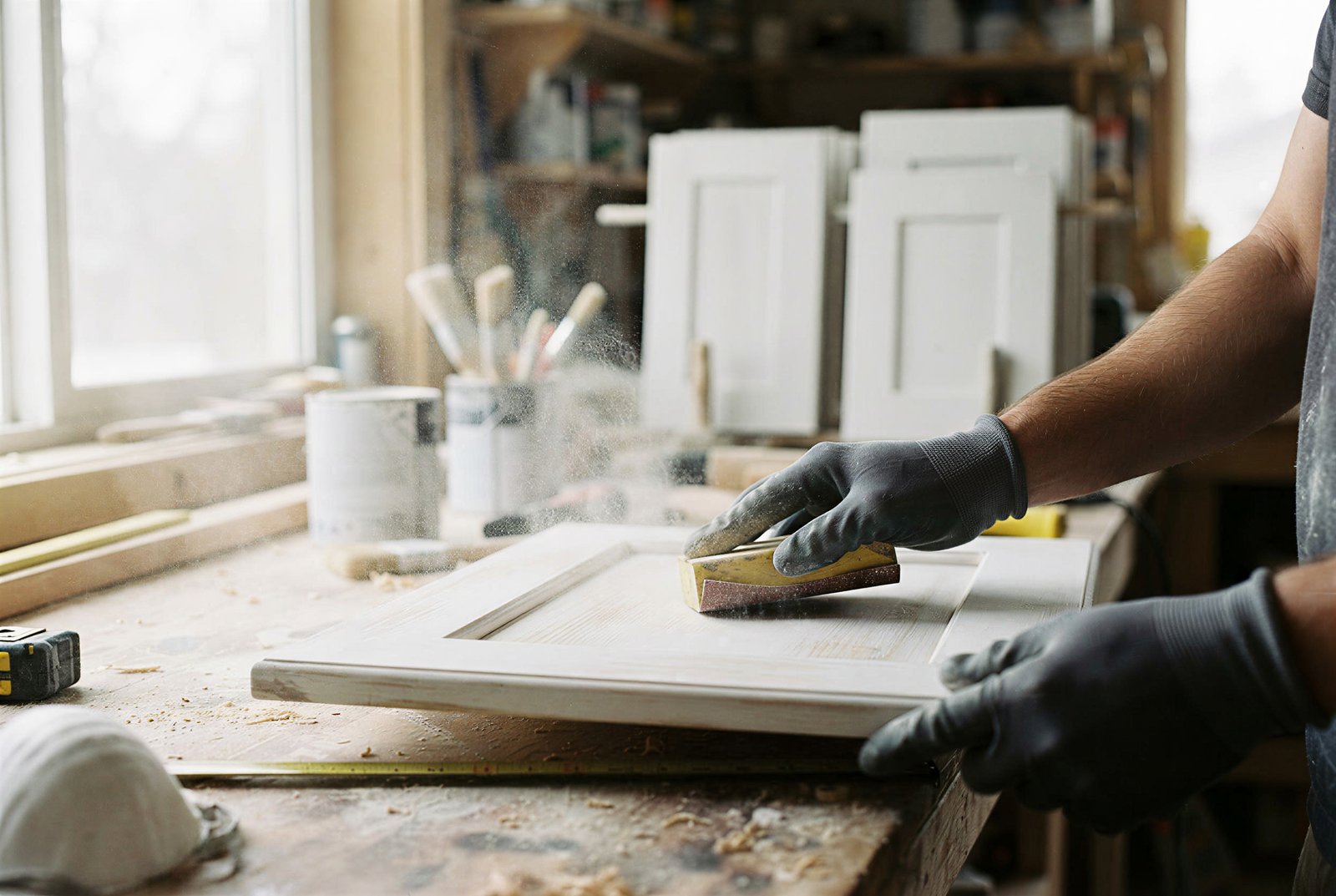
Door count and drawer count drive labor more than any other single factor. Each piece needs to come off and get cleaned, sanded, primed, painted, and reinstalled.
Open-concept layouts and islands often add doors and drawers you might not count at first glance. Walk through your kitchen and slowly get an accurate count before you request estimates.
Cabinet Material and Condition
Solid wood cabinets take paint well and hold up to normal prep work without much trouble. MDF is also paintable, though it can absorb more primer than wood does. Laminate and thermofoil surfaces need specialized bonding primers, since paint doesn’t stick to them the way it does to wood.
Existing damage adds to the bill regardless of material because dents, water stains, and loose hinges all need attention before paint goes on. Skipping that step shows up in the finish within months.
Paint Type and Finish Selection
Standard wall paint isn’t built for the wear cabinets take on every day. Cabinet paint costs more per gallon than standard wall paint because it resists chipping, staining, and moisture far better over time. Satin and semi-gloss sheens are the most common choices for kitchens because they clean easily without showing every fingerprint the way a high-gloss finish does.
The paint you choose affects both the upfront cost and how often you’ll need to touch things up down the road.
Labor and Local Market Rates
Painter pay varies by region, and Portland-area rates reflect the cost of living here. National wage data for painters shows a wide range depending on experience and specialty, and cabinet painters typically charge more per hour than general wall painters because of the extra prep involved.
Spray finishes cost more than brush-and-roll work, mainly because of the masking and setup involved, but also because they produce a smoother, more even coat. For visible cabinet fronts, most homeowners find spray finishes deliver a result that outweighs the added cost.
Cost Breakdown of a Professional Cabinet Painting Project
| Project Component | Typical Cost Impact |
|---|---|
| Cleaning & Degreasing | Low |
| Sanding & Surface Prep | Moderate |
| Repairs & Filling | Moderate |
| Priming | Moderate |
| Painting | High |
| Protective Topcoat | Moderate |
| Reinstallation & Final Touch-Ups | Moderate |
Preparation is what determines quality, even though painting itself carries the highest single cost. Skimping on cleaning, sanding, or priming saves a little money upfront but shortens the life of the finish, and homeowners often underestimate how long reinstallation and touch-ups take when every door and drawer needs realigned hardware.
Professional Cabinet Painting vs DIY
| Factor | Professional Painting | DIY Painting |
|---|---|---|
| Upfront Cost | Higher | Lower |
| Finish Quality | Professional-grade | Varies by skill |
| Project Timeline | Faster | Longer |
| Durability | Higher | Often lower |
| Equipment Needed | Included | Must purchase/rent |
| Warranty Protection | Often included | None |
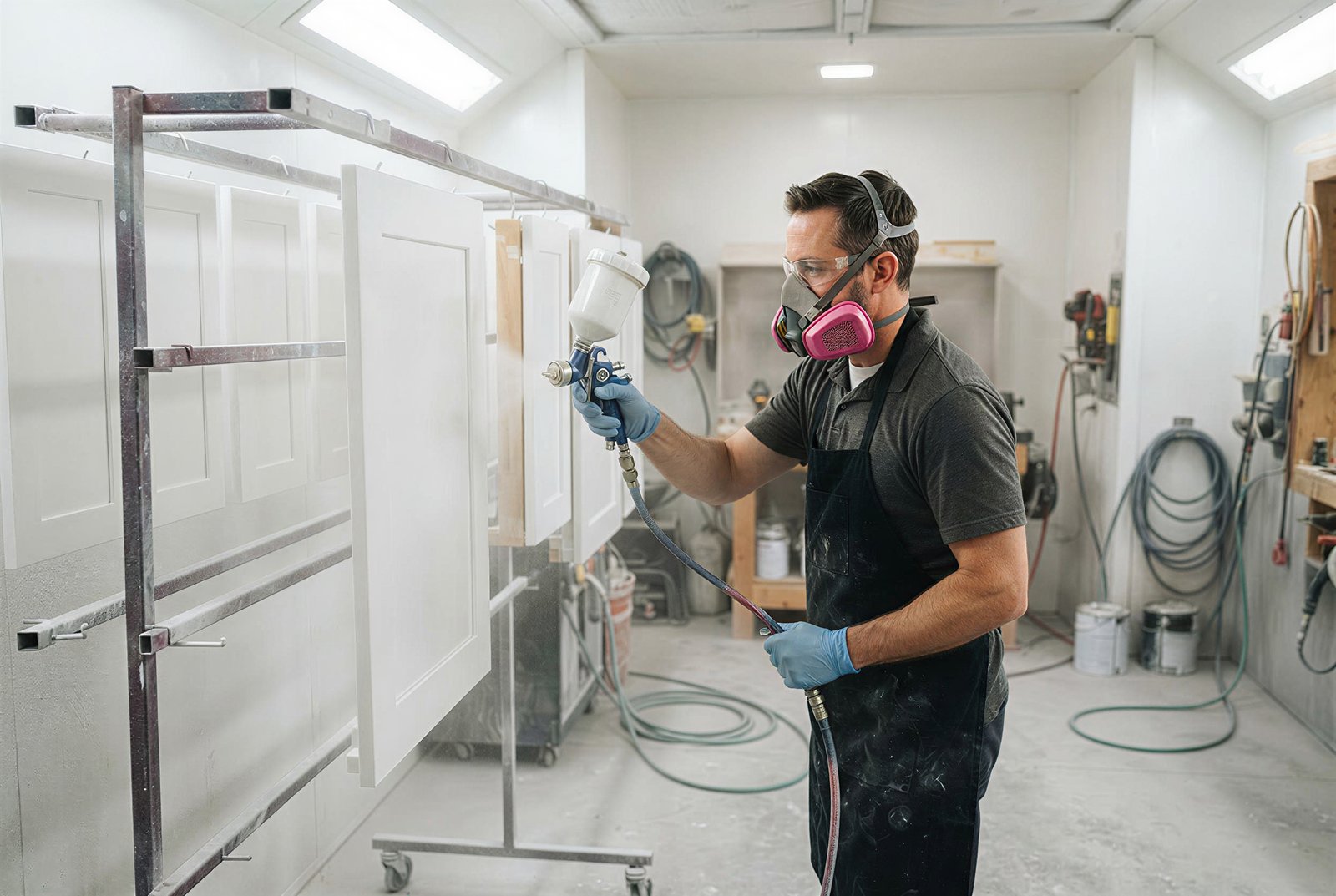
DIY cabinet painting can cost as little as $200 to $600 in paint and supplies, but then there’s your time. Most DIY projects take well over 100 hours if you count prep and reassembly, and mistakes with primer or sheen selection often mean redoing sections.
Hiring a professional costs more upfront, but it buys equipment, experience, and a warranty. For cabinets that get daily use, that can make a real difference, especially over time.
How Cabinet Material Impacts Painting Costs
Solid wood and MDF are the easiest materials to paint and require the least specialized prep. Laminate and thermofoil need bonding primers and extra sanding to help paint adhere, which adds time and cost to the project.
Some cabinets aren’t good candidates for painting at all. Water-damaged particleboard, warped doors, and peeling laminate often need repair or replacement before paint will hold.
Additional Costs Homeowners Should Expect
Cabinet Repairs
Dents, scratches, water damage, and loose hinges all need attention before painting starts. Minor fixes add a modest amount to your estimate; structural repairs extend both cost and timeline.
Homes built before 1978 carry an added consideration: lead-based paint. Federal rules require certified lead-safe practices whenever old painted surfaces get disturbed, so ask your contractor how they handle testing and containment if your home falls into that category.
Hardware Upgrades
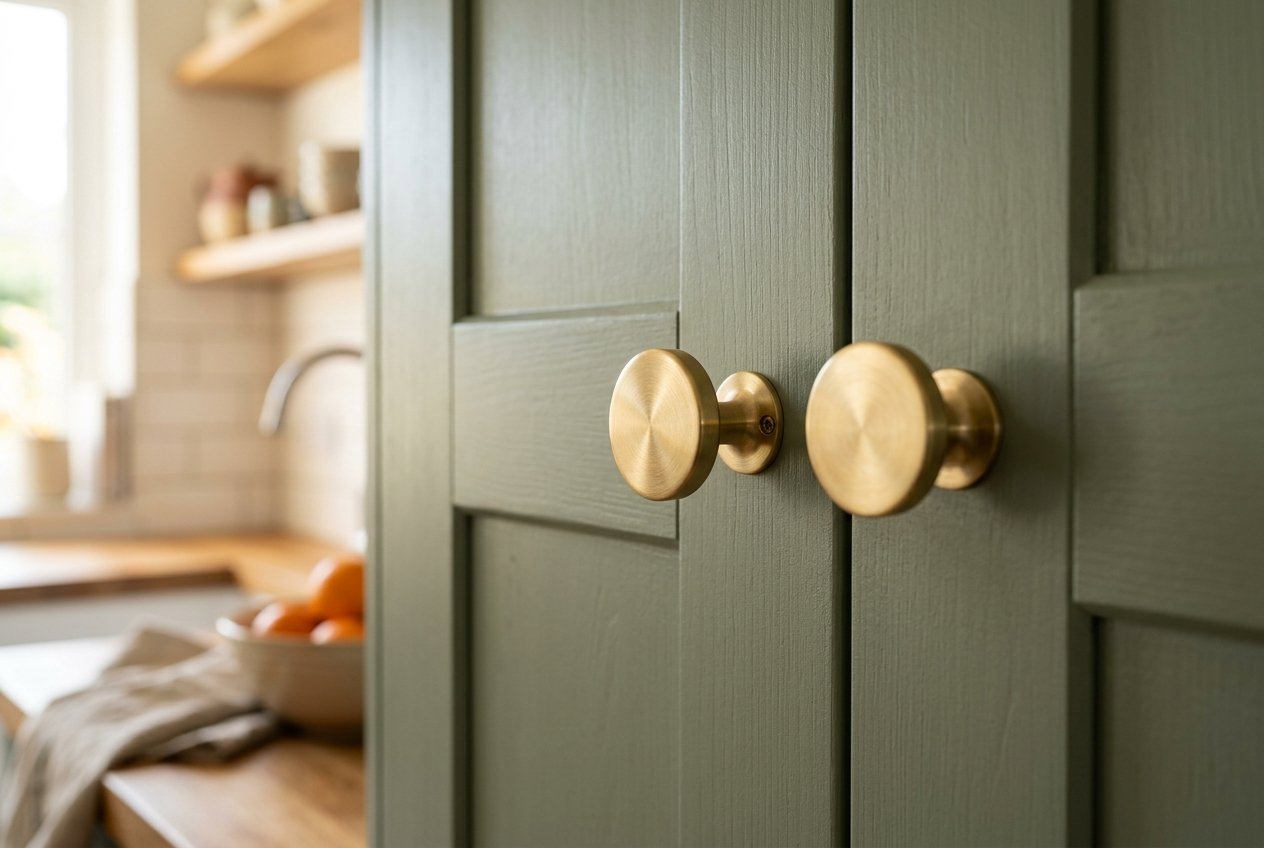
New handles, knobs, and hinges run anywhere from a few dollars to $60 or more per piece installed. Swapping outdated hardware is one of the most affordable ways to modernize a kitchen alongside a paint job, especially when the old pieces don’t match the new cabinet color.
Specialty Finishes
Glazing, distressing, two-tone cabinets, and custom color blends all add labor time beyond a standard single-color repaint, since each technique needs additional coats, drying time, and hand detailing.
How Long Does Painted Cabinet Finish Last?
For professionally painted kitchen cabinets, expect eight to fifteen years of everyday wear before a repaint is needed, assuming proper prep and cure time. Finishes that skip sanding, priming, or full cure time tend to chip within the first two to three years instead.
Wiping up spills quickly, avoiding harsh abrasive cleaners, and letting the finish fully cure before heavy use all extend its life. Cabinets near the sink and stove usually show wear first, so a little extra care in those spots goes a long way.
Signs Your Cabinets Are Good Candidates for Painting
Solid wood and MDF cabinets in structurally sound condition are the best candidates for a repaint. If the boxes are square, the doors close properly, and the layout still works, painting is probably the right call. Cabinets with water damage, warping, or delamination are different; replacement often makes more sense than painting over a structural problem.
Kitchen Cabinet Painting vs Cabinet Refacing vs Replacement
| Feature | Painting | Refacing | Replacement |
|---|---|---|---|
| Cost | Lowest | Moderate | Highest |
| Project Duration | Short | Moderate | Long |
| Design Flexibility | Moderate | High | Highest |
| Structural Changes | No | Limited | Yes |
| ROI Potential | High | High | Variable |
| Disruption Level | Low | Moderate | High |
Painting makes sense when your cabinet boxes are sound and you just want a new look. Refacing adds new doors and veneer over existing boxes for more design flexibility at a higher cost. Replacement is for when layout changes or structural problems are part of the plan, and your budget and goals should drive the decision more than any single number on a spec sheet.
Ways to Save Money on Kitchen Cabinet Painting
Cabinets that get regular cleaning and light maintenance need less prep work when it’s time to paint, which keeps labor costs down. Combining a cabinet project with other interior painting work can also lower your overall cost per job.
Cost-effective finishes and neutral colors tend to need fewer coats and touch-ups, which keeps your long-term paint costs lower. Getting a detailed estimate from reputable contractors before you commit gives you a clear picture of where your money is going and helps you compare bids.
Common Mistakes That Increase Cabinet Painting Costs
Skipping prep work and repairs is the most common mistake, and it’s also the one that costs the most to fix later. Choosing low-quality paints or primers to save a little upfront often means an earlier repaint.
Hiring based on the lowest bid alone can backfire if that price reflects skipped steps rather than efficiency. Getting a few written estimates and comparing what’s included in each protects you from these surprises.
What to Look for in a Cabinet Painting Contractor
Experience and Specialization
Painting cabinets requires different skills than painting walls or trim. Look for a contractor whose license and history point specifically to cabinet or fine finish work, not just general painting.
You can confirm a contractor’s license status directly with the Oregon Construction Contractors Board before you sign anything.
Portfolio and References
Ask to see photos of previous cabinet transformations, ideally in kitchens similar in size or style to yours. Consistent, even finish quality across a portfolio tells you more than any single before-and-after photo, and talking to a past customer directly rounds out the picture.
Detailed Estimates and Warranties
A transparent, itemized estimate separates prep, materials, and labor so you know exactly what you’re paying for. Ask whether the estimate includes hardware, repairs, and cleanup; these details vary between contractors.
Workmanship guarantees and warranty coverage protect you if the finish fails earlier than expected. A contractor confident in their process shouldn’t hesitate to put that guarantee in writing.
Why Homeowners Choose Absolute Painting for Cabinet Painting Projects
At Absolute Painting, we bring more than three decades of residential painting experience to every cabinet project. Our crews handle interior painting, exterior painting, and commercial painting throughout the Portland area, and we’re upfront about what a job requires before we start. That transparency is why homeowners come back to us after their first project.
Conclusion
Kitchen cabinet painting cost depends on size, material, paint type, and labor, but it remains one of the most cost-effective ways to transform a kitchen without a full remodel. Preparation and quality materials separate a finish that lasts fifteen years from one that needs redoing in three.
Compare your options, ask detailed questions of any contractor you’re considering, and invest in the finish that fits both your budget and how long you want it to last. Contact our team for a free estimate on your project.
FAQs
Is it cheaper to paint kitchen cabinets or replace them?
Painting is almost always less expensive, often costing a fraction of new cabinet boxes and doors. Replacement only makes sense when the boxes are damaged or the layout needs to change.
Does cabinet color affect the overall painting cost?
Going from a dark color to a lighter one, or the reverse, can require additional coats and more primer. Neutral, mid-tone colors typically need fewer coats than dramatic changes.
Can laminate kitchen cabinets be painted successfully?
Yes, with the right bonding primer and proper surface prep. Laminate needs more attention than wood or MDF, since standard paint won’t adhere without that extra step.
How many coats of paint are typically required for kitchen cabinets?
Most cabinet projects need two coats of paint after priming, though dramatic color changes or specialty finishes sometimes call for a third.
Will painted cabinets increase home resale value?
A clean, professionally painted kitchen tends to appeal to buyers evaluating an otherwise dated space. It’s commonly one of the more cost-effective updates homeowners make before selling, though exact returns vary by home and market.