If you own or manage a business property, appearance matters. The way your building looks affects how customers, tenants, and employees feel about your company. Fresh, professional paint improves curb appeal, protects your building, and creates a clean environment inside and out. But many business owners still ask the same question: what is commercial painting, and how is it different from other types of painting? Commercial painting focuses on painting projects for businesses, public facilities, and income-producing properties. Unlike residential jobs, these projects often involve larger spaces, specialized equipment, stricter safety standards, and careful scheduling to avoid disrupting daily operations. Whether you manage an office, retail store, warehouse, restaurant, or multi-tenant building, commercial painting plays a key role in maintaining your property’s value and professional image. Absolute Painters has worked with business owners across Portland, Hillsboro, Beaverton, and surrounding areas for more than 30 years. The team understands how to work efficiently in active commercial spaces while delivering long-lasting results. This guide explains what commercial painting includes, the types of properties that need it, how the process works, and why hiring experienced professionals matters.
What Is Commercial Painting?
At its core, commercial painting is the process of painting and finishing business properties instead of private homes. When people ask what is commercial painting, they are usually referring to painting work completed on buildings used for business, public services, or income-producing purposes. This includes offices, retail stores, restaurants, warehouses, medical clinics, schools, apartment complexes, and other commercial buildings. These spaces often have larger square footage, higher ceilings, and heavier daily traffic than residential homes. Commercial painting is not just about changing wall colors. It often involves:
- Preparing large surface areas
- Applying durable commercial paint designed for high-use environments
- Working around operating hours
- Following strict safety and compliance standards
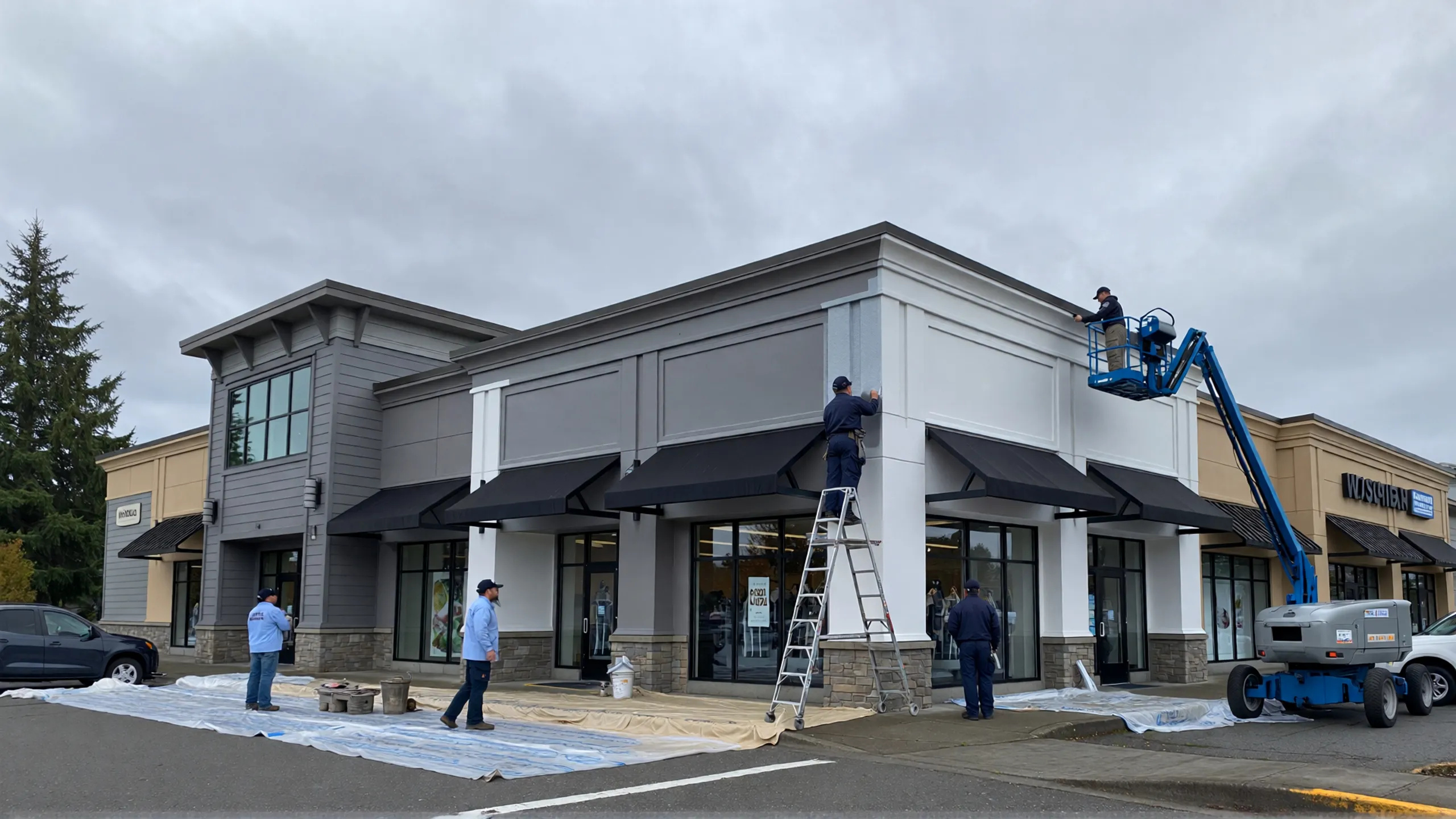
For example, a busy retail store may need interior painting completed overnight to avoid interrupting customers. A warehouse may require specialized coatings to protect metal, drywall, or concrete surfaces from wear and moisture. An exterior commercial building may need weather-resistant products that hold up to Portland’s rain and temperature changes. Commercial painting is typically handled by trained crews with experience managing larger projects. These projects require planning, coordination, and attention to detail to keep the property safe and functional during the process. In simple terms, commercial painting focuses on improving and protecting business properties while minimizing disruption and ensuring long-term durability.
What Types of Properties Need Commercial Painting?
Commercial painting is used for business and public spaces where appearance, durability, and safety all matter. These properties are open to employees, customers, tenants, or the public. That means the surfaces inside and outside must hold up to heavy use while still looking professional. Different types of commercial buildings have different painting needs. A quiet office does not face the same wear and tear as a warehouse. A restaurant has different cleanliness standards than a corporate building. Understanding these differences helps business owners choose the right products and approach for their property. Below are some of the most common types of properties that require commercial painting services.
Offices and Corporate Buildings
Office spaces need to look clean, organized, and professional. Paint plays a major role in how clients, partners, and employees view your company. Workplace environment can influence employee satisfaction and performance, which is one reason many companies invest in a clean, updated office setting. ASID has published findings on the impact of workplace design, which supports the role that upkeep and appearance can play in how a space functions day to day. Fresh interior painting can brighten meeting rooms, hallways, and reception areas. It can also reinforce brand colors in strategic areas without overwhelming the space. Beyond appearance, the condition of your walls affects how people feel in the space. Peeling paint, scuffed surfaces, and outdated colors can make a workspace feel neglected. A well-maintained office sends a clear message that your business is organized and responsible.
Retail Stores and Shopping Centers
In retail, first impressions are everything. Customers often decide how they feel about a store within seconds of walking in. Exterior commercial painting improves curb appeal and draws attention from the street. Interior updates help create a welcoming shopping experience that aligns with your brand. Retail environments also experience heavy foot traffic. Walls, doors, and trim are more likely to show scuffs and marks. Because of this, retail spaces often require more frequent repainting and durable products that can handle regular cleaning. Sherwin-Williams provides guidance and solutions for facility and property needs, including durable products for high-use environments. For shopping centers, consistency across multiple storefronts may also be important to maintain a unified appearance.
Warehouses and Industrial Buildings
Warehouses and industrial buildings have very different priorities. Here, durability and safety come first. These spaces often require:
- High-performance coatings for concrete floors
- Protective finishes for metal walls and structural components
- Clearly marked safety zones and striping
Industrial painting focuses on protecting surfaces from moisture, chemicals, and heavy equipment impact. Floor coatings can help reduce dust and improve visibility. Many facilities also follow safety requirements tied to OSHA standards and regulations, which are published under federal code. Properly painted walls and ceilings can improve light reflection inside large facilities, helping create a safer working environment. In these environments, the goal is not decorative. It is protective and functional.
Restaurants, Hotels, and Hospitality Spaces
- Focus on visual appeal and hygiene
- Mention fast turnaround times
Hospitality spaces rely heavily on appearance. Guests notice details. Restaurants and hotels must balance visual appeal with hygiene. Walls need to look clean and fresh, especially in dining areas, lobbies, and guest rooms. Kitchens and service areas may require coatings that resist moisture and allow for easy cleaning. Turnaround time is also critical. Many hospitality businesses cannot afford extended downtime. Professional commercial painters often work in phases or during off-hours to keep operations running while completing updates. In every case, the needs of the space determine the products, preparation methods, and scheduling approach. Commercial painting is not one-size-fits-all. It adapts to the type of property and how that property is used every day.
Types of Commercial Painting Services
Commercial properties require more than a simple coat of paint. Different buildings, industries, and environments call for different materials, preparation methods, and application techniques. That is why professional commercial painting services typically cover a wide range of solutions designed to protect, refresh, and maintain business spaces. From interior walls to industrial floor coatings, each service is tailored to the way the space is used. Below are the most common types of commercial painting services business owners request.
Interior Commercial Painting
- Focus on walls, ceilings, and trim
- Mention minimal disruption to business operations
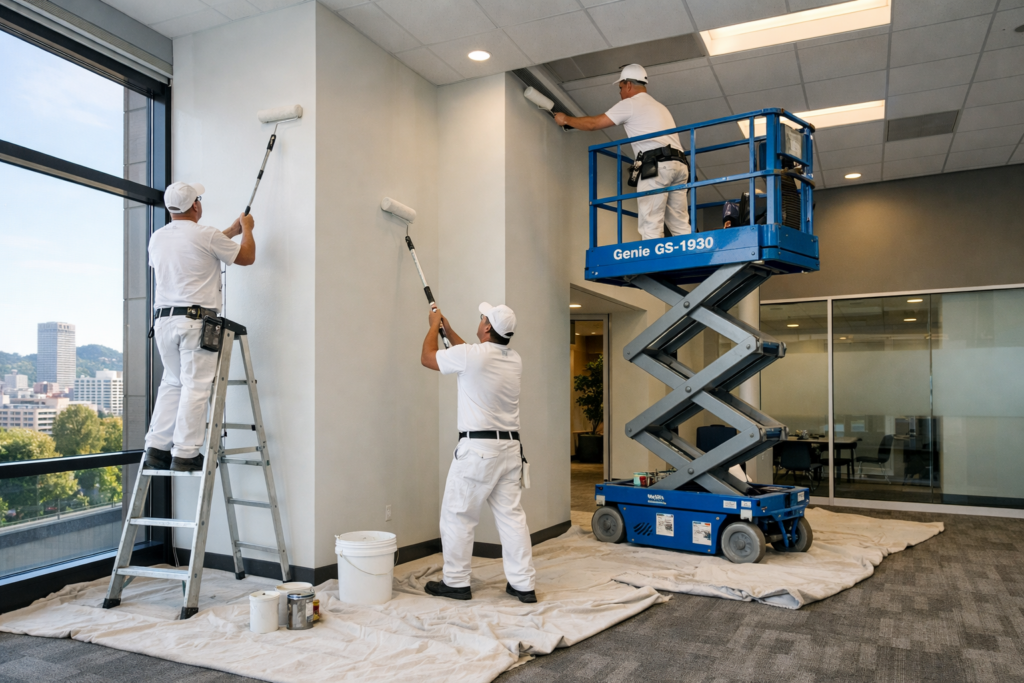
Interior commercial painting focuses on walls, ceilings, trim, doors, and other visible surfaces inside a business property. These areas experience daily wear from employees, customers, tenants, and equipment. A fresh interior update can:
- Improve lighting by increasing reflectivity
- Create a cleaner, more professional atmosphere
- Reinforce brand colors in offices or retail spaces
- Cover scuffs, stains, and surface damage
In commercial settings, durability matters. High-traffic hallways, restrooms, break rooms, and entryways require paints that resist scuffing and allow for easy cleaning. Scheduling is also critical. Many interior commercial projects are completed after hours, on weekends, or in phases to minimize disruption to business operations. Experienced crews plan carefully so employees and customers can continue using the space safely during the process. Interior commercial painting is about more than appearance. It supports productivity, brand consistency, and long-term maintenance.
Exterior Commercial Painting
Exterior commercial painting protects the outside of your building from weather, moisture, and long-term exposure. In the Portland area, buildings face regular rain and seasonal temperature changes. Without proper coatings, exterior surfaces can deteriorate quickly. Cracked or peeling paint can allow moisture to reach siding, trim, or structural materials. Exterior commercial painting helps:
- Improve curb appeal
- Protect siding and trim from water damage
- Extend the life of exterior materials
- Maintain a professional image
Long-lasting exterior coatings are designed to resist fading, cracking, and moisture penetration. Proper surface preparation is especially important for exterior projects. This often includes cleaning, scraping, sanding, and priming before applying the final coat. For businesses that rely on visibility and first impressions, exterior commercial painting plays a direct role in attracting customers and maintaining property value.
Specialty and Protective Coatings
Some commercial environments require more than standard paint. Specialty and protective coatings are designed for performance and safety. These may include:
- Epoxy floor coatings for warehouses and garages
- Anti-slip coatings for safety in high-traffic areas
- Moisture-resistant coatings for kitchens or restrooms
- Protective finishes for metal surfaces or equipment
Epoxy floors, for example, create a durable surface that resists impact, chemicals, and abrasion. Anti-slip coatings can help reduce fall risks in areas exposed to water or heavy use. Protective coatings are especially important in industrial and high-use environments. They help extend the life of surfaces while improving safety and compliance. Specialty commercial paint products are formulated to handle demanding conditions that standard residential paints cannot. Choosing the right coating depends on how the space is used and what type of wear it experiences. Together, these services show that commercial painting is not a single task. It is a range of solutions designed to protect and improve business properties in practical, long-lasting ways.
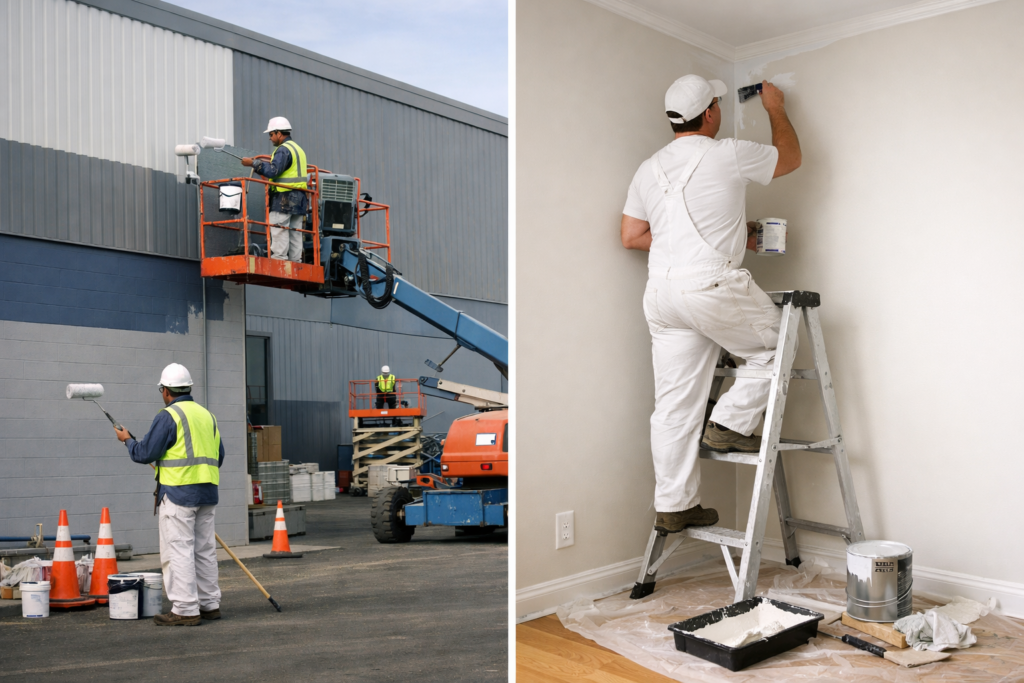
Commercial Painting vs Residential Painting
Business owners often ask about the difference between commercial vs residential painting. While both involve applying paint to interior and exterior surfaces, the scale, materials, safety requirements, and overall goals are very different. Residential painting focuses on private homes. Commercial painting is designed for businesses, public buildings, and income-producing properties. Because of this, commercial projects are often larger, more complex, and more time-sensitive. Below is a side-by-side comparison to make the differences clear.
| Category | Commercial Painting | Residential Painting |
| Scale & Project Size | Large projects such as offices, warehouses, retail stores, schools, hotels, and apartment complexes. Often more complex and deadline-driven. | Smaller projects such as houses, condos, and apartments. More personal and detail-focused. |
| Materials & Equipment | Uses heavy-duty commercial paint, specialty coatings, lifts, scaffolding, and professional-grade tools designed for durability and high traffic. | Uses lighter paints and standard tools designed for home interiors and exteriors. |
| Safety Rules | Must follow strict job-site safety standards, including OSHA regulations and structured site protocols. | Fewer safety requirements compared to commercial job sites. |
| Scheduling | Often completed after hours, overnight, or on weekends to avoid disrupting business operations. | Usually completed during normal daytime hours. |
| Goal | Focuses on durability, brand image, protection, and performance in high-traffic environments. | Focuses on comfort, style, and personal preference for homeowners. |
The biggest difference is purpose. Commercial painting is built around performance and longevity. It must withstand heavier use and often requires specialized planning. Residential painting is centered on aesthetics and comfort within a home. Understanding these distinctions helps business owners choose a contractor with the right experience. A company that specializes in residential work may not have the equipment, crew size, or project management structure needed for larger commercial projects. For business properties, hiring professionals experienced in commercial painting ensures the job is handled efficiently, safely, and with minimal disruption to operations.
How Often Should Commercial Buildings Be Repainted?
There is no single repainting schedule that applies to every building. The right timeline depends on how the space is used, the materials involved, and the local climate. For most commercial interiors, repainting is recommended every 3 to 7 years. High-traffic areas such as lobbies, hallways, retail floors, and restrooms may need fresh paint closer to every 3 to 5 years. These surfaces experience constant contact, frequent cleaning, and visible wear. Lower-traffic areas, such as private offices or conference rooms, may last 5 to 7 years or longer if maintained properly. Exterior commercial painting typically needs attention every 5 to 10 years. However, weather plays a major role. In the Portland area, frequent rain and seasonal temperature shifts can shorten the lifespan of exterior coatings. Buildings with wood siding may require more frequent repainting than metal or masonry structures. Other factors that affect repainting timelines include:
- Exposure to moisture
- Direct sunlightSurface condition and preparation Quality of the original commercial paint
- Ongoing maintenance
Repainting on a consistent schedule protects your property from long-term damage. It also helps maintain a professional appearance that reflects well on your business.
Why Hire Professional Commercial Painters?
- Explain how professional commercial painters deliver better quality, long-lasting results using the right tools, paints, and prep methods.
- Mention time savings, safety compliance, and less disruption to daily business operations.
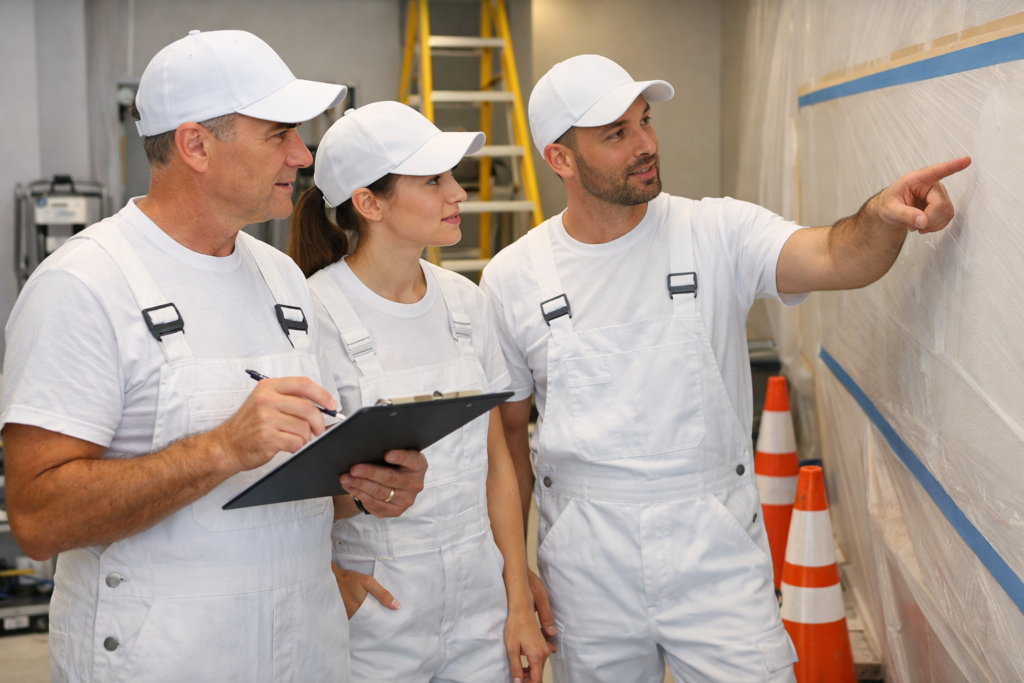
Commercial projects are larger, more complex, and more demanding than most residential jobs. Hiring professional commercial painters ensures the work is completed efficiently, safely, and to a higher standard. First, quality matters. Professional crews use the correct tools, commercial-grade paints, and proper preparation methods for each surface. That includes cleaning, repairing damaged areas, priming when needed, and applying coatings at the right thickness. Proper preparation is what allows paint to last. Skipping this step often leads to peeling or premature failure. Second, experience saves time. Commercial painting projects often need to be completed after hours, overnight, or in phases to avoid disrupting daily operations. Professional painters understand how to coordinate with property managers, tenants, and staff to keep the space functional during the process. Third, safety and compliance are critical. Commercial job sites may involve lifts, scaffolding, high ceilings, and regulated environments. Professional crews follow established safety protocols and comply with OSHA standards. This protects workers, building occupants, and business owners. Finally, working with experienced professionals reduces disruption. A structured plan, clear communication, and organized job-site management allow your business to continue operating with minimal interference. For business owners in Portland and surrounding areas, hiring professional commercial painters means better results, longer-lasting finishes, and a smoother overall experience.
How the Commercial Painting Process Works
Understanding the process helps business owners feel confident before starting a project. While every building is different, most commercial painting projects follow a clear and organized sequence. The goal is simple: protect the property, complete the work efficiently, and minimize disruption to daily operations. Below is what you can typically expect from professional commercial painting services.
Site Inspection and Planning
Every successful commercial project starts with a detailed site inspection. During this phase, the painting contractor evaluates:
- The size of the space
- Surface conditions
- Existing paint condition
- Areas that require repairs
- Access needs, such as lifts or scaffolding
The team will also identify the type of surfaces involved, whether drywall, concrete, metal, wood, or masonry. Each material requires specific preparation methods and products. Planning also includes discussing scheduling. Many commercial painting projects are completed after business hours, overnight, or in phases to reduce interruption. A clear timeline is established so business owners know exactly what to expect. Material selection happens at this stage as well. The right commercial paint is chosen based on durability, traffic levels, and environmental exposure. Proper planning prevents delays and ensures the project runs smoothly.
Surface Preparation
Surface preparation is one of the most important steps in the entire process. Before any paint is applied, surfaces must be properly cleaned and repaired. This may include:
- Washing walls or exteriors to remove dirt and grease
- Scraping loose or peeling paint
- Sanding rough areas
- Repairing cracks or damaged sectionsPriming bare or patched surfaces
Skipping preparation is one of the main reasons paint fails early. Commercial environments demand durability, and that durability starts with proper prep work. In exterior commercial projects, preparation may also include pressure washing and addressing minor surface damage caused by weather exposure. Strong preparation creates a smooth, stable base that allows the final coat to bond correctly and last longer.
Painting and Final Touch-Ups
Once surfaces are fully prepared, the painting phase begins. Depending on the space, professionals may use:
- Rollers and brushes for detailed areas
- Airless sprayers for large surfaces
- Specialty equipment for high ceilings or exterior sections
Multiple coats may be applied to ensure even coverage and proper thickness. Commercial coatings often require specific application methods to meet performance standards. After the paint has cured, the crew performs final touch-ups and a thorough walkthrough. This quality check ensures:
- Clean lines and consistent coverage
- No missed areas
- Proper finish and sheen
- A clean and organized job site
Before the project is considered complete, business owners are typically invited to review the work. Any final adjustments are handled promptly. A structured process like this allows commercial painting projects to stay on schedule, meet safety requirements, and deliver long-lasting results.
Why Businesses in Portland Trust Absolute Painters
When it comes to protecting and improving commercial properties, experience and reliability matter. Businesses throughout Portland and nearby communities trust Absolute Painters’ because of a long-standing commitment to quality, honest service, and professional craftsmanship. Absolute Painters’ is a family-owned company with deep roots in the Portland area. For more than 30 years, the team has worked with local business owners, property managers, and commercial building owners to deliver dependable commercial painting results. Commercial projects require more than technical skill. They require careful planning, clear communication, and respect for active work environments. Absolute Painters understands how to schedule projects around business operations, maintain organized job sites, and complete work efficiently without unnecessary disruption. Local knowledge also plays an important role. Portland’s climate brings steady rainfall and seasonal temperature shifts that can impact exterior coatings. With decades of experience working on commercial buildings across Hillsboro, Beaverton, Tigard, Lake Oswego, and surrounding communities, Absolute Painters understands which products and preparation methods perform best in the Pacific Northwest. Reliability is one of the main reasons businesses continue to choose Absolute Painters’. Clear estimates, realistic timelines, and consistent follow-through help remove uncertainty from the process. Business owners need a commercial painting partner they can depend on to show up, communicate clearly, and deliver quality results. Craftsmanship is equally important. From detailed surface preparation to the final walkthrough, Absolute Painters focuses on long-lasting finishes that protect and enhance commercial properties. Commercial painting is an investment, and working with a company that values precision and accountability helps protect that investment. For many Portland businesses, Absolute Painters’ has become a trusted partner in maintaining clean, professional, and well-maintained commercial spaces.
Final Thoughts
Commercial painting is more than a cosmetic update. It protects your building, strengthens your professional image, and supports a productive environment for employees and customers. Understanding what commercial painting involves, how often to repaint, and how the process works allows business owners to plan with confidence. Whether you need interior updates, exterior protection, or specialty coatings, the right approach helps extend the life of your property. Hiring professional commercial painters ensures the job is completed safely, efficiently, and with lasting results. Proper preparation, high-quality materials, and experienced crews make a measurable difference. For business owners in Portland and nearby areas, investing in professional commercial painting means protecting your property, reinforcing your brand, and maintaining a space that reflects the standards of your business.
Frequently Asked Questions (FAQs)
How long does a typical commercial painting project take?
The timeline depends on the size of the building, the condition of the surfaces, and whether the project includes interior, exterior, or specialty coatings. Small interior commercial painting projects may take a few days. Larger office buildings, warehouses, or multi-unit properties can take several weeks. Exterior projects may also require additional time due to weather conditions. Surface preparation plays a major role in scheduling. Repairs, cleaning, and priming must be completed before painting begins. A professional contractor will provide a clear timeline after a site inspection so you know what to expect.
Can commercial painting be done while my business is still open?
Yes, in many cases commercial painting can be completed while your business remains open. Professional commercial painters often work:
- After business hours
- Overnight
- On weekends
- In phases to isolate sections of the building
Careful planning allows operations to continue safely. Work areas are clearly marked, and equipment is organized to reduce disruption. Communication is key. A structured schedule ensures employees and customers are not affected more than necessary.
What should a business owner do to prepare their space before painting begins?
Preparation requirements vary depending on the project. In most cases, business owners may need to:
- Remove fragile items or personal belongings
- Clear furniture from immediate work areas
- Inform staff or tenants about the schedule
- Provide access to locked spaces if needed
Professional crews typically handle major surface preparation, covering floors, protecting fixtures, and masking areas that are not being painted. Clear communication before the project begins helps prevent delays and ensures a smooth process.
Do commercial painting projects require permits or approvals?
Most standard commercial painting projects do not require permits, especially when the work involves repainting existing surfaces with similar materials. However, permits or approvals may be needed if the project involves:
- Significant structural repairs
- Changes to building materials
- Work on historically designated properties
- Compliance requirements in regulated facilities
Property managers or building owners should verify local requirements. An experienced commercial painting contractor can help identify whether approvals are necessary based on the scope of work.
How does commercial painting impact a business’s brand image?
Commercial painting directly influences how customers, tenants, and employees perceive your business. A clean, well-maintained building communicates professionalism and attention to detail. Faded, chipped, or outdated paint can give the impression of neglect. Color choices also play a role. Many businesses incorporate brand colors into interiors or accent areas to reinforce identity. Exterior commercial painting improves curb appeal and helps attract attention from the street. In competitive markets, appearance matters. Investing in professional commercial painting supports a strong brand image and helps create a positive first impression.